COVID-19 Updates
-
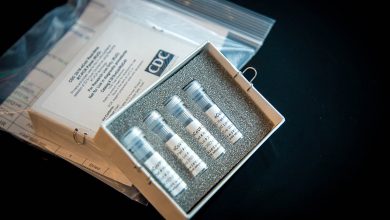
CDC Diagnostic Test for COVID-19
Close This is a picture of CDC’s laboratory test kit for SARS-CoV-2. CDC tests are provided to U.S. state and local public health laboratories and Department of Defense laboratories that…
-
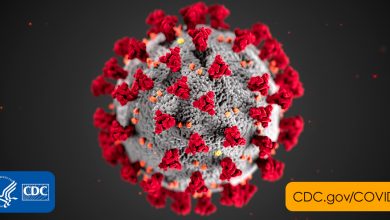
Coronavirus Disease 2019 (COVID-19)
Links with this icon indicate that you are leaving the CDC website. The Centers for Disease Control and Prevention (CDC) cannot attest to the accuracy of a non-federal website. Linking…
-
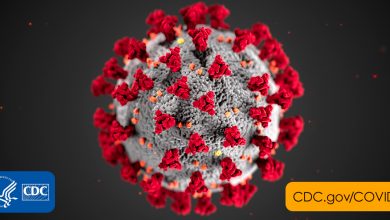
What You Can Do
Coping with stress Older people and people of any age who have serious underlying health conditions are at higher risk for severe illness from COVID-19. People who may have issues…
-

Cleaning and Disinfection for Non-emergency Transport Vehicles
People who are known or suspected to have COVID-19 may use non-emergency vehicle services, such as passenger vans, accessible vans, and cars, for transportation to receive essential medical care. When…
-

Interim Guidelines for Collecting, Handling, and Testing Clinical Specimens from Persons for Coronavirus Disease 2019 (COVID-19)
Revisions were made on April 14, 2020 to reflect the following: Clarify specimen collection procedures for all swab types and align with other respiratory disease specimen collection guidelines Revisions were…
-

Evaluation for SARS-CoV-2 Testing in Animals
The decision to test an animal (including companion animals, livestock, and wild or zoo animals) should be made collaboratively using a One Health approach between local, state, and/or federal public…
-

Caring for someone at home
COVID-19 spreads between people who are in close contact (within about 6 feet) through respiratory droplets, created when someone talks, coughs or sneezes The caregiver, when possible, should not be…
-
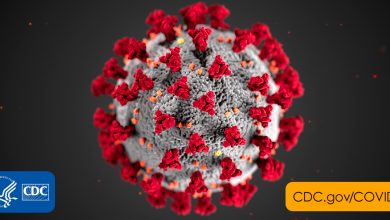
Laboratory Work
Links with this icon indicate that you are leaving the CDC website. The Centers for Disease Control and Prevention (CDC) cannot attest to the accuracy of a non-federal website. Linking…
-

What Bus Transit Operators Need to Know About COVID-19
For bus transit operators, potential sources of exposure include having close contact with a bus passenger with COVID-19, by contacting surfaces touched or handled by a person with COVID-19, or…
-

Tribal Communities
Links with this icon indicate that you are leaving the CDC website. The Centers for Disease Control and Prevention (CDC) cannot attest to the accuracy of a non-federal website. Linking…