Frequently Asked Questions on COVID-19 Testing at Laboratories
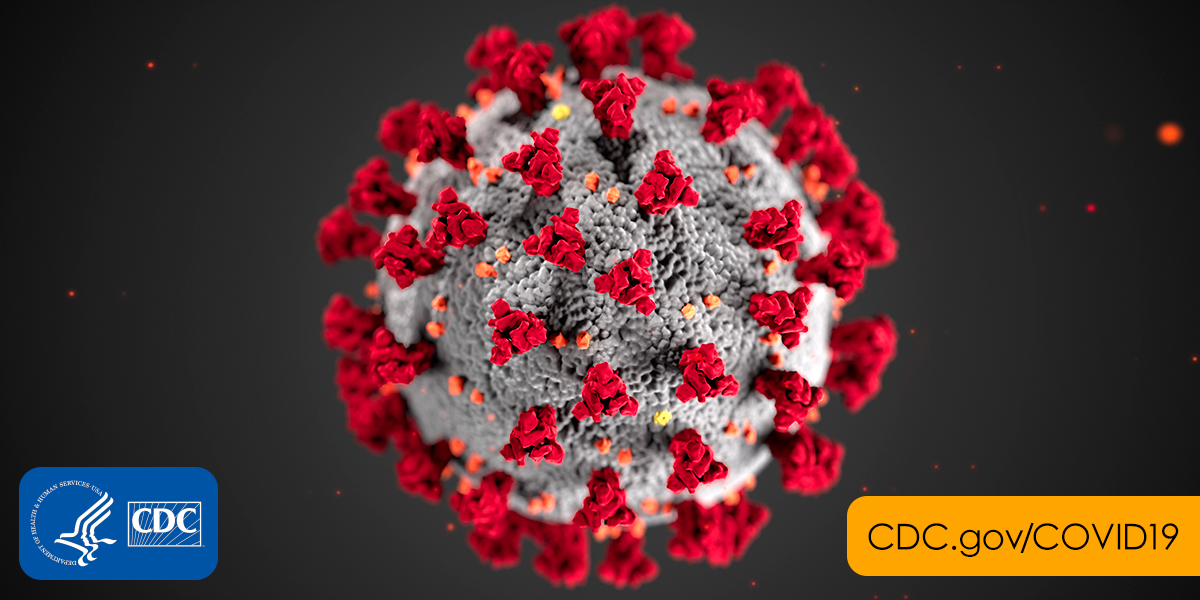
FDA has authorized EUAs for both molecular and serological tests for COVID-19. Molecular tests are used to diagnose the presence of SARS-CoV-2 infections. In contrast, serological tests can detect IgG, IgA, and IgM antibodies from an immune response to SARS-CoV-2.
Whenever possible, laboratories should rely on molecular tests to diagnose the presence of SARS-CoV-2 infections. However, a negative result from molecular testing does not rule out COVID-19.
Most of the PCR-based tests that use two or more targets are likely to have high specificity (few false positives). However, there is some variation in the stated sensitivity of the different assays, and sensitivity is highly dependent on the stage of the disease. For this reason, negative results should always be interpreted in the context of the exposure history and symptoms of the patient.
Results from serology testing should not be used as the sole basis to diagnose or exclude SARS-CoV-2 infections or to inform infection status. Negative results from serology testing do not rule out SARS-CoV-2 infections, particularly for those individuals who have been exposed to the virus and are still within the estimated incubation period. Until the performance characteristics of serologic tests have been evaluated, it is possible that positive results from such testing may be due to past or present infections with a coronavirus other than SARS-CoV-2.
If a laboratory initially uses serological testing for diagnostic purposes, follow-up testing using a molecular diagnostic test should be performed.