Zika Virus: Protecting Pregnant Women and Babies
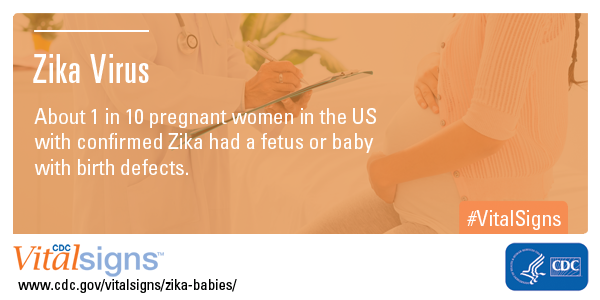
Nearly 1,300 pregnant women with evidence of possible Zika infection were reported in 44 US states in 2016. Of these, almost 1,000 pregnancies were completed by the end of the year and more than 50 of those babies had Zika-related birth defects, according to a new Vital Signs report from the Centers for Disease Control and Prevention (CDC).
Zika during pregnancy can cause birth defects including damage to the brain, microcephaly, and congenital Zika syndrome. A baby with congenital Zika syndrome may experience brain abnormalities, eye defects, hearing loss, and limb defects.
The findings of this report confirm the serious threat posed by Zika virus infection during pregnancy and the critical need for pregnant women to continue taking steps to prevent Zika virus infection. The report also emphasizes the importance of healthcare providers’ role in screening all pregnant women for possible Zika virus exposure and infants born to women exposed to Zika.
Zika is a serious health threat to pregnant women and their babies in the US:
- Nearly 1,300 cases of pregnant women with evidence of possible Zika were included in the US Zika Pregnancy Registry in 2016. Most cases were travel-associated. Of that total, 250 were reported as having confirmed Zika infection.
- About 1 in 10 pregnant women with confirmed Zika had a fetus or baby with birth defects.
- About 15% of babies whose mothers were infected in the first trimester have Zika-related birth defects.
- Babies may appear healthy at birth but still have birth defects or other Zika-related health problems.
Healthcare providers can stay up–to-date on current CDC testing and follow-up guidance and develop a coordinated care plan for babies affected by Zika. They also can urge pregnant women to not travel to areas with risk of Zika, and tell men and women how to protect themselves from getting Zika through sex.
Read the original news at Centers for Disease Control and Prevention (CDC)